WHY INSPECTION SURVEYS ARE IMPORTANT
COMPLIANCE
Queensland law, including the Building Fire Safety Regulation 2008 (Qld), requires fire safety installations to be maintained, and Australian Standards set out regular inspections. Failure to comply can result in fines, penalties, or even legal liabilities.
EARLY DETECTION OF ISSUES
Regular inspections help identify potential issues or deficiencies in the fire protection system before they escalate into major problems. This proactive approach can prevent costly repairs and downtime in the event of a fire emergency.
OPTIMISING PERFORMANCE
By identifying and addressing issues promptly, inspection surveys help optimise the performance of fire protection systems. This ensures that they operate effectively when needed, minimising the risk of injury or property damage during a fire incident.
WHAT DO INSPECTION SURVEYS ENTAIL?
Inspection surveys of fire protection systems involve a comprehensive evaluation of various components to ensure they are in proper working condition. While specific requirements may vary depending on the type of system and regulatory standards, common elements typically include:
VISUAL INSPECTION
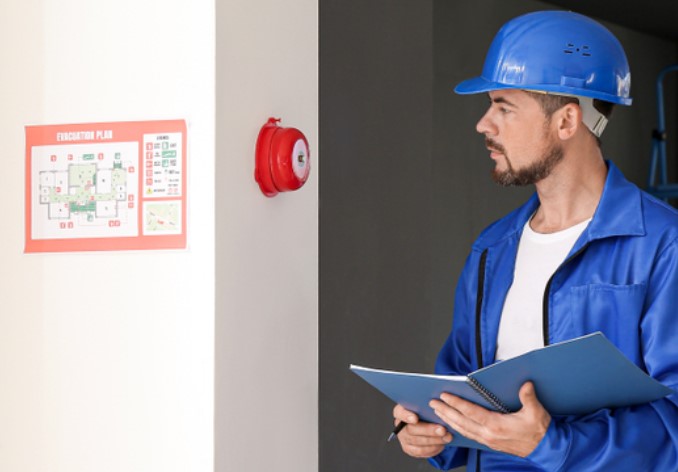
Inspectors visually assess all components of the fire protection system, including fire alarms, sprinklers, extinguishers, smoke detectors, and emergency lighting, for signs of damage, corrosion, or obstruction.
FUNCTIONAL TESTS
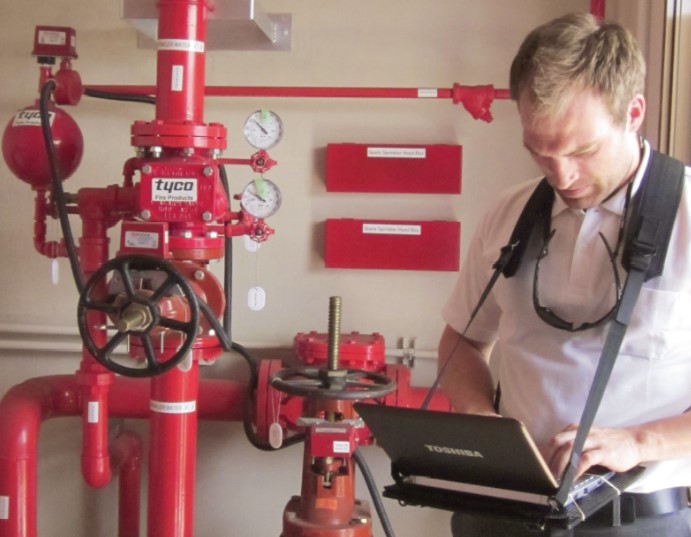
Functional tests are conducted to verify that each component of the fire protection system operates as intended. This may involve activating alarms, testing sprinkler systems, and ensuring that emergency exits are unobstructed.
DOCUMENTATION REVIEWS
Inspectors review documentation related to the installation, maintenance, and testing of the fire protection system to ensure compliance with regulatory requirements. This includes inspection reports, maintenance logs, and records of any repairs or upgrades.
RISK ASSESSMENT
Inspectors assess the specific fire risks associated with the premises, such as the type of occupancy, the presence of flammable materials, and the layout of the building. This helps identify areas where additional fire protection measures may be needed.
 (07) 5514 0385
 Contact Us